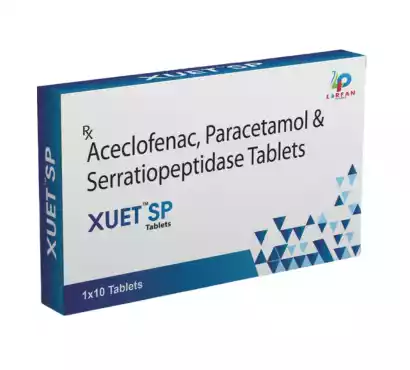
XUET SP is the combination of Aceclofenac 100 mg + Paracetamol 325 mg + Serratiopeptidase 15 mg is commonly used for treating pain, inflammation, and swelling associated with various conditions, especially those that involve muscle or joint pain, injuries, or post-surgical recovery. Here’s how each component contributes to the treatment:
1. Aceclofenac (100 mg)
- Class: NSAID (Nonsteroidal anti-inflammatory drug)
- Action: Reduces inflammation, pain, and swelling by inhibiting cyclooxygenase (COX) enzymes, which produce substances (prostaglandins) that contribute to inflammation and pain.
- Uses: Effective for arthritis, muscle pain, or inflammation-related conditions like back pain and sprains.
2. Paracetamol (325 mg)
- Class: Analgesic (pain reliever) and antipyretic (fever reducer)
- Action: Primarily works by blocking the production of chemicals in the brain that cause pain and fever.
- Uses: Useful for mild to moderate pain relief. Unlike NSAIDs, paracetamol does not reduce inflammation but is effective for reducing pain and fever.
3. Serratiopeptidase (15 mg)
- Class: Proteolytic enzyme
- Action: This enzyme is believed to have anti-inflammatory and anti-swelling properties by breaking down protein molecules in the body that contribute to inflammation and tissue damage. It helps in reducing edema (swelling) and aids in faster recovery.
- Uses: Typically used in the treatment of swelling, inflammation, and pain after injuries, surgeries, or in conditions like sinusitis and rheumatoid arthritis.
Benefits of the Combination:
- Pain Relief and Anti-inflammatory Action: Aceclofenac provides effective anti-inflammatory benefits, while paracetamol offers pain relief. This combination targets both pain and inflammation, offering faster and more comprehensive relief.
- Swelling Reduction: Serratiopeptidase aids in reducing swelling and may also promote tissue healing by breaking down excess proteins in the inflamed tissues.
- Faster Recovery: This combination can be particularly helpful in post-surgical recovery or after an injury, as the serratiopeptidase can aid in tissue repair and inflammation control.
Possible Side Effects:
- Aceclofenac: May cause stomach irritation, ulcers, or gastrointestinal bleeding with prolonged use. It can also affect kidney function, especially in individuals with pre-existing kidney problems.
- Paracetamol: Overuse or high doses can cause liver damage, especially when combined with alcohol or taken over extended periods.
- Serratiopeptidase: Generally well tolerated, but may cause mild side effects like digestive issues (bloating, diarrhea). Rarely, it may lead to allergic reactions like rash or itching.
Precautions:
- Gastrointestinal Issues: If you have a history of ulcers, gastritis, or gastrointestinal bleeding, use aceclofenac with caution, as NSAIDs can exacerbate these conditions.
- Liver or Kidney Disease: Be careful if you have liver or kidney problems, as both aceclofenac and paracetamol can affect liver and kidney function. It’s essential to not exceed the recommended doses, especially of paracetamol.
- Allergy: In rare cases, serratiopeptidase may cause an allergic reaction, so if you experience symptoms like rash or difficulty breathing, seek immediate medical attention.